Native USDC
Native USDC is issued directly by Circle on the blockchain. It uses the official token contract or native token standard for that network and is part of Circle's supported issuance/redemption infrastructure.
USDC is a U.S.-dollar-denominated stablecoin issued by Circle. It is designed to be redeemable 1:1 for U.S. dollars and is backed by highly liquid dollar-denominated reserve assets.
USDC combines a traditional reserve model with blockchain transfer infrastructure. That means the token can move across supported networks while its value target is supported by Circle's issuance, redemption and reserve system.
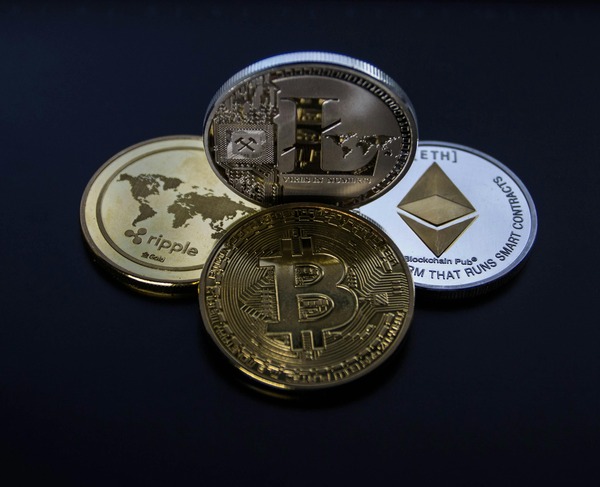
USDC is digital dollar value represented as a crypto token. It is not the same as USD in a bank account, but each native USDC token is part of an issuer-managed system designed around one-dollar redemption.
A useful way to separate the concepts is:
| Item | What it represents |
|---|---|
| USD | U.S. fiat currency |
| USDC | Circle-issued dollar stablecoin |
| Native USDC | USDC issued directly by Circle on a supported blockchain |
| Bridged USDC | A representation created through a bridge rather than issued natively on that chain |
That native-versus-bridged distinction is one of the most important practical details for USDC users.
Circle's institutional minting infrastructure connects bank money with tokens on supported blockchains. When eligible customers provide dollars through Circle Mint, USDC can be issued; when USDC is redeemed through Circle's process, tokens are removed from circulation and dollars are returned.
Retail users normally interact with USDC through wallets, exchanges and payment applications rather than minting directly with Circle.
Once issued, USDC can be transferred on-chain like other compatible tokens. The blockchain records the transfer, while Circle manages the token issuance and reserve framework.

Circle states that USDC is fully backed by highly liquid cash and cash-equivalent assets. Its reserve structure includes cash at financial institutions and assets such as short-dated U.S. Treasuries and overnight Treasury repurchase agreements, including holdings through the Circle Reserve Fund.
Circle publishes reserve information and monthly third-party assurance reports. The purpose is to show whether the value of reserves meets or exceeds the amount of USDC in circulation.
This backing model is different from crypto-collateralized DAI and synthetic USDe. USDC does not rely on overcollateralized borrowing or derivatives hedging to target one dollar.
The one-dollar target is supported by the ability to issue and redeem native USDC through Circle's authorized infrastructure, together with secondary-market arbitrage and liquidity.
If market prices move above or below the target, institutional participants can have an incentive to trade around the difference between market value and redemption value. This helps pull prices toward parity.
The price can still deviate temporarily. A stablecoin peg is a market and redemption mechanism, not a hard-coded guarantee that every trade will execute at exactly $1.
USDC is a strongly multichain asset. Circle states that native USDC was available on 38 blockchain networks as of September 16, 2026.
That list includes major ecosystems such as Ethereum, Solana, Base, Arbitrum, Avalanche, Polygon PoS, Stellar, Sui, Aptos, NEAR, OP Mainnet and others. The full list changes as Circle adds or retires support, so the issuer's current network documentation should be treated as authoritative.
Native USDC is issued directly by Circle on the blockchain. It uses the official token contract or native token standard for that network and is part of Circle's supported issuance/redemption infrastructure.
A bridged representation is created when a third-party bridge locks or otherwise represents an asset across another chain. Some bridged versions use names such as USDC.e.
Bridged USDC is not automatically equivalent to native USDC from an operational perspective. The token contract, bridge risk and redemption path can be different, which is why checking the exact token is important.
Circle's Cross-Chain Transfer Protocol, or CCTP, moves native USDC between supported chains using a burn-and-mint process rather than creating a permanently wrapped token. USDC is burned on the source chain and an equivalent amount is minted on the destination chain after Circle's attestation process.
This is different from simply sending USDC to an address on another blockchain.
The asset ticker alone is not enough to complete a blockchain transfer. A wallet or exchange must support USDC on the specific network being used.
Network choice affects:
If a receiving platform asks for USDC on Base, sending USDC on Ethereum or Solana is a different transaction even though the stablecoin ticker is the same.
USDC is used as a dollar-denominated asset for payments, settlements, transfers, trading and DeFi.
Typical uses include:
Its broad native-network footprint also makes USDC useful for developers building payment and cross-chain applications.
USDC targets the value of USD but remains a blockchain asset.
A bank dollar is part of the conventional financial system. USDC is an issuer-backed token whose ownership and transfers are recorded on supported blockchain networks.
That means USDC introduces additional operational questions: Which chain is it on? Is the token native? Does the receiving wallet support it? Which smart contract or token standard applies?
Reserve backing reduces one class of risk but does not eliminate all of them.
USDC depends on Circle, its reserve arrangements, banking/custody infrastructure and the legal framework around redemption. Reserve attestations provide transparency but do not turn USDC into an insured retail bank deposit.
USDC can trade below or above one dollar during market stress. The peg relies on market liquidity and confidence in redemption.
USDC exists through smart contracts or native token implementations on many blockchains. Bugs, outages or network disruptions can affect a holder's ability to transact even if the reserve assets remain intact.
A bridged token adds dependency on the bridge or wrapper mechanism. Users should verify the exact token contract rather than relying on the ticker alone.
Circle-issued tokens include centralized administrative controls that can be used in compliance contexts. That is a different risk/governance model from decentralized protocol-based stablecoins.
USDC and USDT both use issuer-and-reserve models, but their issuers, reserve reporting and network strategies differ. DAI relies on protocol collateral, USDe uses a synthetic-dollar hedging model, and USDG is issued by Paxos Digital Singapore under a different regulatory framework.
For a detailed comparison, see USDT vs USDC and USDT vs USDC vs DAI vs USDe vs USDG.
If the practical goal is to move between the two major dollar stablecoins, use the relevant SwapUSDT.io route: USDT to USDC or USDC to USDT.

USDC is designed around a one-dollar redemption value, but its secondary-market price can move slightly above or below $1. Market liquidity and confidence can affect the traded price.
No. USD is fiat currency, while USDC is a blockchain token issued by Circle and backed by reserve assets denominated in U.S. dollars.
Circle states that USDC is fully backed by highly liquid cash and cash-equivalent assets, including short-dated U.S. Treasury instruments and cash held through its reserve structure.
USDC is native on many networks rather than one blockchain only. Circle listed 38 native blockchain networks as of September 16, 2026, including Ethereum, Solana, Base and Arbitrum.
USDC exists as an ERC-20 token on Ethereum and multiple EVM networks, but it is also issued natively on non-EVM chains such as Solana and Stellar. The token standard depends on the blockchain.
Native USDC is issued directly by Circle on that blockchain. USDC.e usually refers to a bridged representation, so its bridge dependency and redemption path can differ.
Yes, temporary depegging is possible. Holders also face issuer, reserve, liquidity, network, smart-contract and custody risks.
USDC is used for transfers, payments, trading, DeFi and dollar-denominated settlement on blockchain networks. Its native multi-chain availability is a major part of its utility.