SwapUSDT.io

What Is USDG and How Does It Work?

USDG, or Global Dollar, is a U.S.-dollar-backed stablecoin issued by Paxos Digital Singapore Pte. Ltd. It is designed to maintain a 1:1 relationship with the U.S. dollar through reserve backing and redemption.

USDG should not be confused with USD itself, Singapore dollars (SGD), or another token that happens to use a similar ticker. In this article, USDG always means Global Dollar.

Gold Bitcoin coins on a wooden table

Global Dollar (USDG) in Simple Terms

USDG is a blockchain token representing dollar-denominated value. Paxos Digital Singapore issues the token and states that each USDG is backed by U.S.-dollar reserve assets and is redeemable from Paxos at 1:1, subject to its terms and access requirements.

The model is closer to USDC and USDT than to DAI or USDe:

StablecoinGeneral model
USDGRegulated issuer + dollar reserve assets
USDCIssuer + highly liquid dollar reserve assets
USDTIssuer + reserve portfolio
DAIProtocol collateral and peg mechanisms
USDeSynthetic dollar with backing plus derivatives hedges

That model determines which risks and transparency questions matter most for USDG.

Who Is Behind USDG?

USDG is issued by Paxos Digital Singapore Pte. Ltd. Paxos states that the issuer is a Major Payments Institution supervised by the Monetary Authority of Singapore.

Paxos launched Global Dollar in 2024 as a stablecoin intended for payments, settlements, treasury and integration into blockchain applications.

The regulatory relationship is specific to the issuing entity and Singapore framework. It should not be interpreted as a guarantee that the token's price can never move or that every holder has identical access to direct redemption.

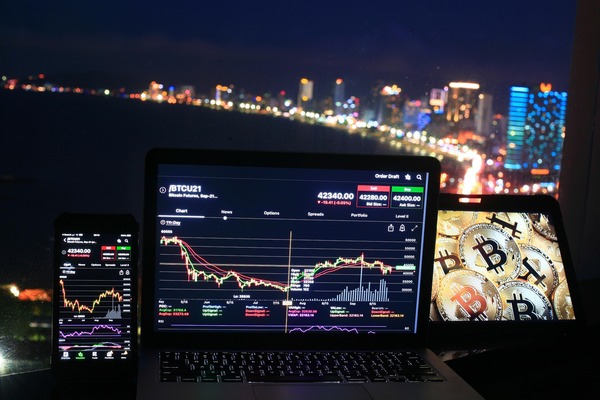
Laptop with charts and city lights at night

What Backs USDG?

Paxos states that USDG is backed by U.S.-dollar reserve assets held in segregated accounts. Its official material describes the reserve as cash and cash-equivalent assets and notes that USDG is fully redeemable from Paxos on a one-to-one basis for U.S. dollars.

Paxos publishes monthly reserve composition reports and independent attestation reports for USDG.

This provides two layers of information:

  • reserve composition: what categories of assets support the token;
  • attestation: an independent examination of reported reserve information at a point in time.

These reports improve transparency, but they are not the same as an insurance guarantee against every operational, market or legal risk.

How USDG Maintains Its Dollar Peg

USDG's peg depends on reserve backing, issuance/redemption and market arbitrage.

When eligible market participants can acquire or redeem tokens near one dollar, a market-price deviation can create an incentive to buy or sell USDG until the difference narrows.

Secondary-market liquidity is also important. If exchange or DeFi liquidity is thin, a trade can deviate from one dollar even though the issuer's redemption framework continues to target parity.

The correct interpretation is therefore "designed and redeemable around 1:1 under the issuer framework," not "every market trade must always execute at exactly $1."
What Network Is USDG On?

Paxos currently documents USDG on Arbitrum, Ethereum, Ink, Mantle, Robinhood, Solana and X Layer.

These are separate blockchain implementations of the same Global Dollar asset. A wallet must support the token on the network being used.

USDG on Ethereum

On Ethereum, USDG uses an Ethereum token contract and can interact with compatible wallets and smart-contract applications.

When receiving USDG on Ethereum, verify the token and network rather than assuming any Ethereum-style address or stablecoin deposit is correct.

USDG on Solana

Paxos also supports USDG on Solana. A Solana USDG transfer must use a compatible Solana destination and the correct token representation.

Other Paxos-supported USDG networks

Paxos currently also lists Arbitrum, Ink, Mantle, Robinhood and X Layer as USDG mainnet deployments. A receiving wallet or platform still has to support USDG on the exact blockchain selected for the transfer.

USDG addresses and token deployments are network-specific. The receiving blockchain must be selected before the transfer.

What Is the Global Dollar Network?

The Global Dollar name also appears in the context of the Global Dollar Network, an ecosystem initiative built around expanding stablecoin distribution and use.

That network/ecosystem concept is different from a blockchain network such as Ethereum or Solana.

This distinction helps avoid a common search ambiguity:

  • Global Dollar Network: ecosystem/distribution initiative;
  • Arbitrum, Ethereum, Ink, Mantle, Robinhood, Solana and X Layer: mainnets currently documented by Paxos for USDG;
  • USDG: the Global Dollar stablecoin itself.
Crypto coins arranged in a pyramid on white

What Is USDG Used For?

Paxos positions Global Dollar for payments, settlement and treasury use. As a blockchain asset, it can also be held, transferred and integrated into supported applications.

Potential uses include:

  • wallet-to-wallet dollar-denominated transfers;
  • settlement between supported crypto services;
  • treasury movement;
  • on-chain payments;
  • DeFi applications that support USDG;
  • conversion between USDG and more established stablecoins such as USDT.

Actual availability depends on the wallets, exchanges and blockchain applications that integrate the token.

USDG vs USD

USDG is not a banknote, bank deposit or direct holding of sovereign USD in the user's name.

The value relationship comes from the issuer's reserve and redemption framework. The holder owns a blockchain token whose target is the U.S. dollar.

This introduces token-specific considerations such as issuer risk, wallet custody, blockchain compatibility and secondary-market liquidity.

USDG Risks and Limitations

Issuer and reserve risk

USDG depends on Paxos Digital Singapore, reserve custody arrangements and the ability of the issuer's infrastructure to support minting and redemption.

Liquidity and adoption risk

USDG is newer and less broadly adopted than USDT or USDC. Lower liquidity on a specific venue can produce larger spreads or make conversions less efficient.

Network risk

USDG depends on the blockchain used for the transfer. Network outages, congestion or user mistakes can disrupt access on any supported USDG mainnet.

Smart-contract and wallet risk

A token contract, application or wallet integration can fail independently of the reserve assets.

Regulatory and access risk

The token operates within a regulatory and issuer framework that can evolve. Direct mint/redeem eligibility and platform support can vary by user and jurisdiction.

How USDG Differs From USDT

Both target one U.S. dollar, but their issuers, regulatory structures, reserve disclosures, network reach and market adoption differ.

USDT has a much broader and longer-established multi-chain market. USDG has a narrower current network footprint and is issued by Paxos Digital Singapore under Singapore's regulatory framework.

See USDT vs USDG for the detailed comparison and the full stablecoin comparison for USDC, DAI and USDe as well.

To move between the two assets, use USDT to USDG or USDG to USDT.

Blockchain letters beside a smartphone with notes

FAQ

Blockchain letters and glasses on a dark desk

What is USDG crypto?

USDG is Global Dollar, a U.S.-dollar-backed stablecoin issued by Paxos Digital Singapore. It is designed for 1:1 dollar redemption under the issuer's framework.

Is USDG a stablecoin?

Yes. USDG is a dollar-pegged stablecoin using an issuer-and-reserve model rather than a crypto-collateralized or synthetic-dollar mechanism.

Who is behind USDG?

Paxos Digital Singapore Pte. Ltd. issues USDG. Paxos states that this entity is supervised by the Monetary Authority of Singapore as a Major Payments Institution.

What is USDG backed by?

Paxos describes USDG as backed by U.S.-dollar cash and cash-equivalent reserve assets held in segregated accounts, with monthly reserve reports and independent attestations.

What network is USDG on?

Paxos currently documents Global Dollar on Arbitrum, Ethereum, Ink, Mantle, Robinhood, Solana and X Layer. Users should select the exact network supported by the receiving wallet.

Is USDG on Solana?

Yes. Solana is one of the current USDG mainnets documented by Paxos, alongside Arbitrum, Ethereum, Ink, Mantle, Robinhood and X Layer.

Is USDG the same as USD?

No. USDG is a blockchain token designed around a one-dollar value, while USD is sovereign fiat currency.

Is USDG trustworthy?

A binary trust label is not very informative. Users can evaluate the issuing entity, regulatory framework, reserve reports, attestations, liquidity, blockchain risks and wallet/platform support before deciding how to use USDG.